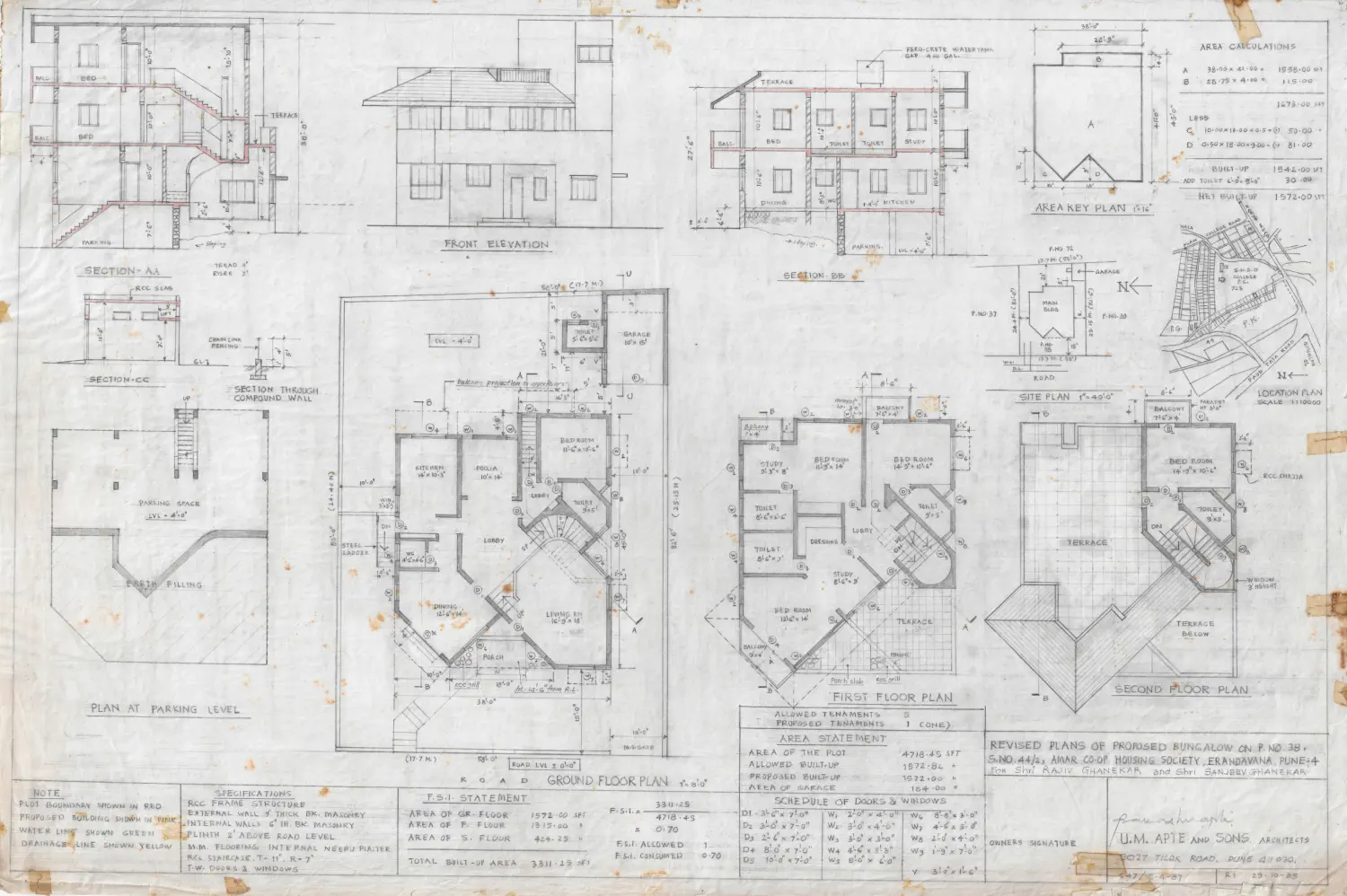
Influential architects like U.M. Apte do not arise out of the blue. This story unravels how, from a young age,
U.M. Apte’s creativity was nurtured by a family that pushed intellectual and creative boundaries. In an era
when Pune was reclaiming its role as a cultural and educational centre, Vinayak Ballal Apte, Mahadeo Vinayak
Apte and Uddhav Mahadeo Apte were remarkable professionals who have taken unconventional routes to contribute to
society.
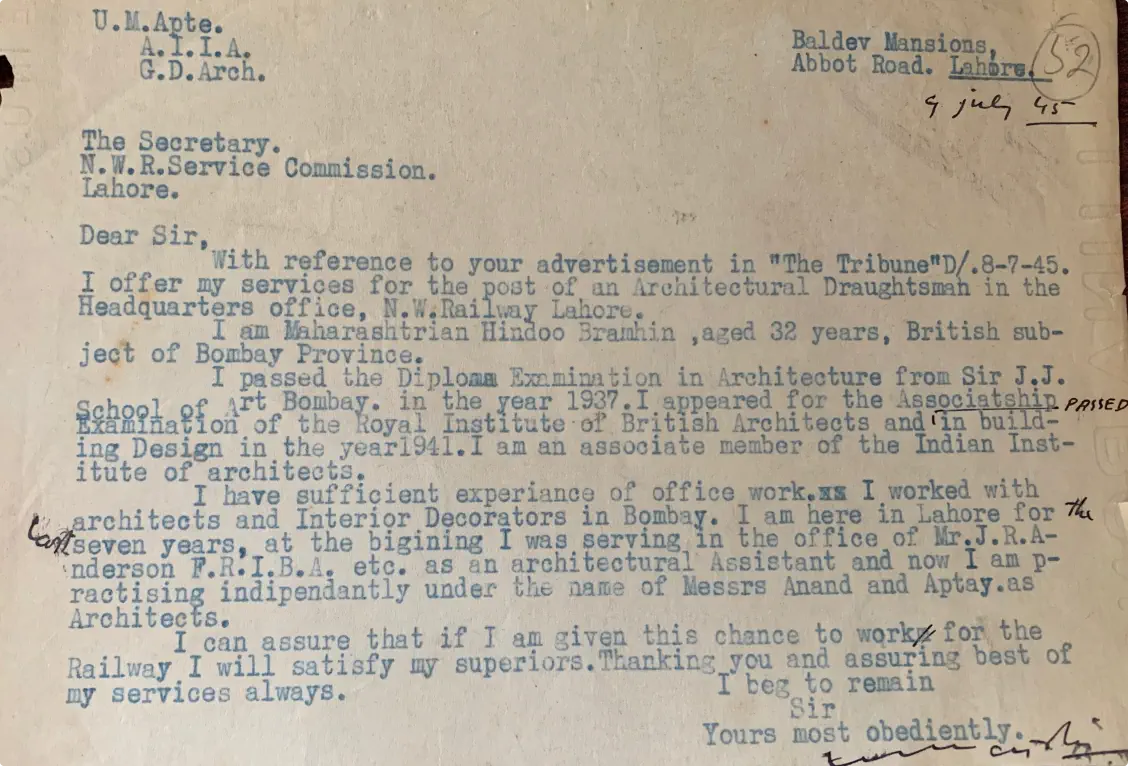
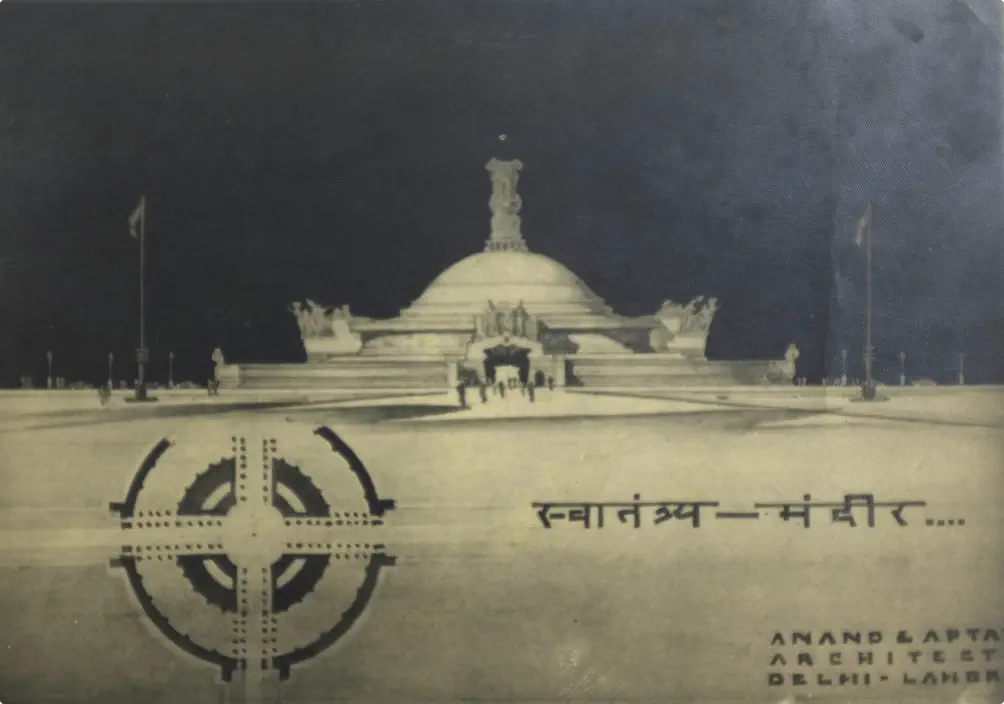
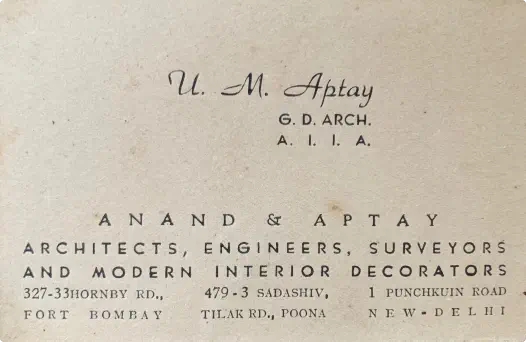
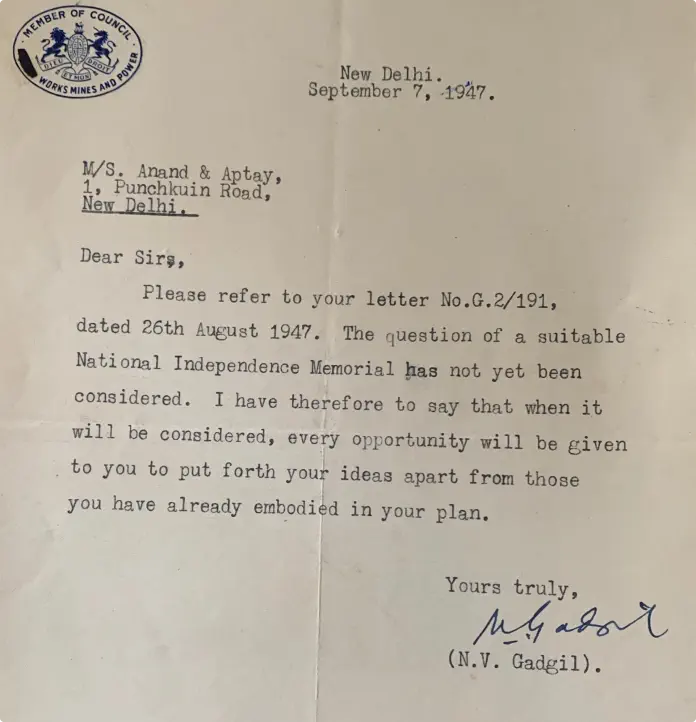
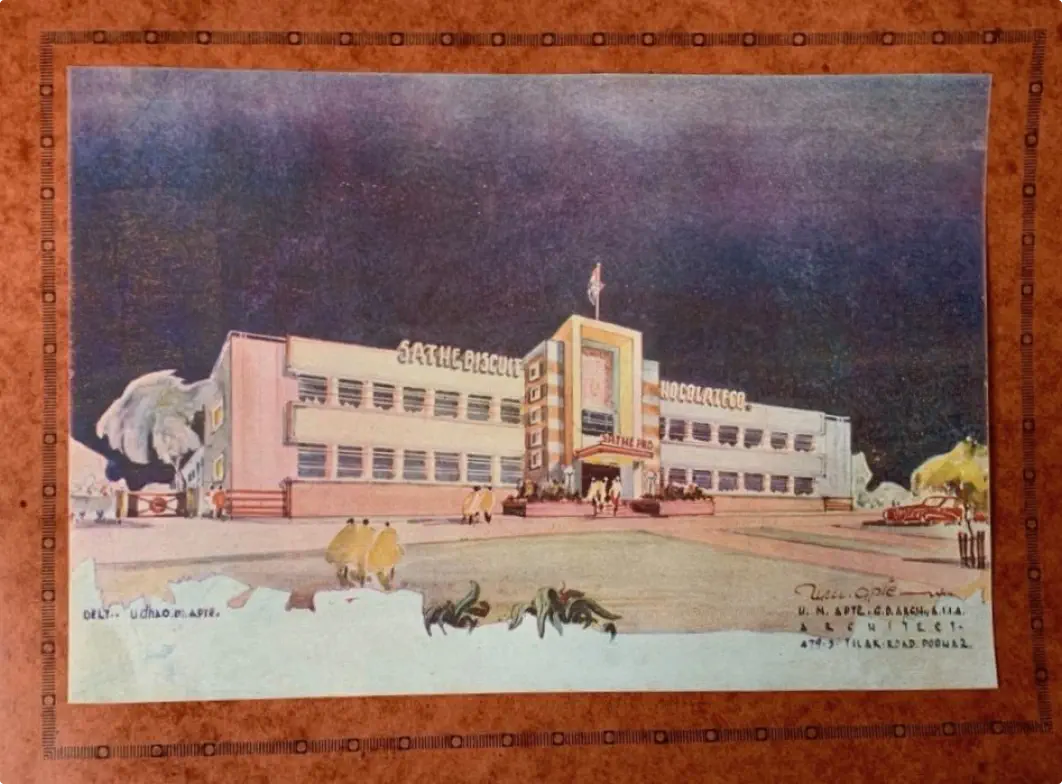
Uddhav Mahadeo Apte, better known as U. M. Apte, was a prominent Pune architect with many landmark buildings to
his credit. He was active from the mid-30s to the 1970s, right when the modern architectural movement swept
India.
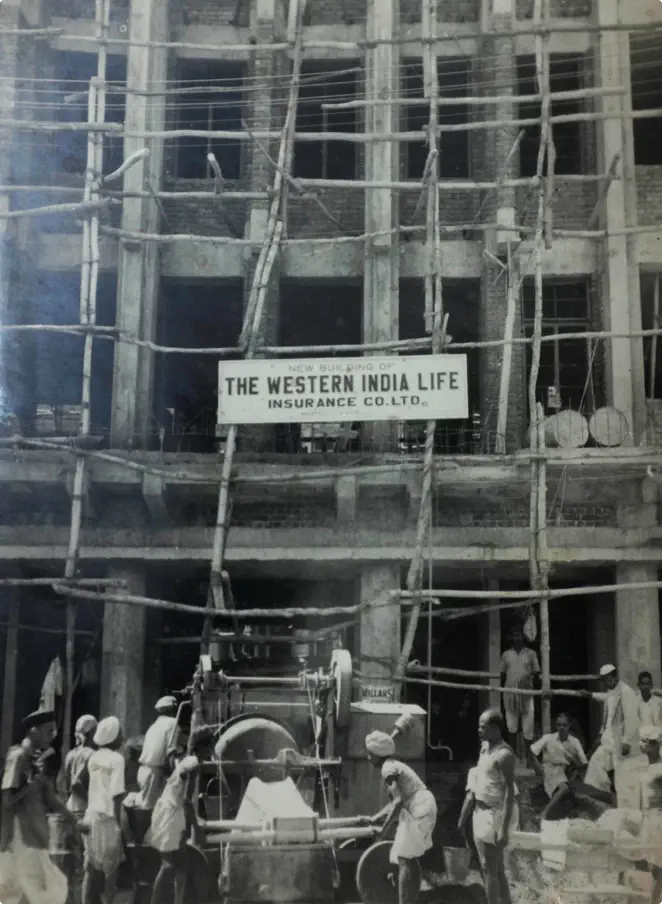
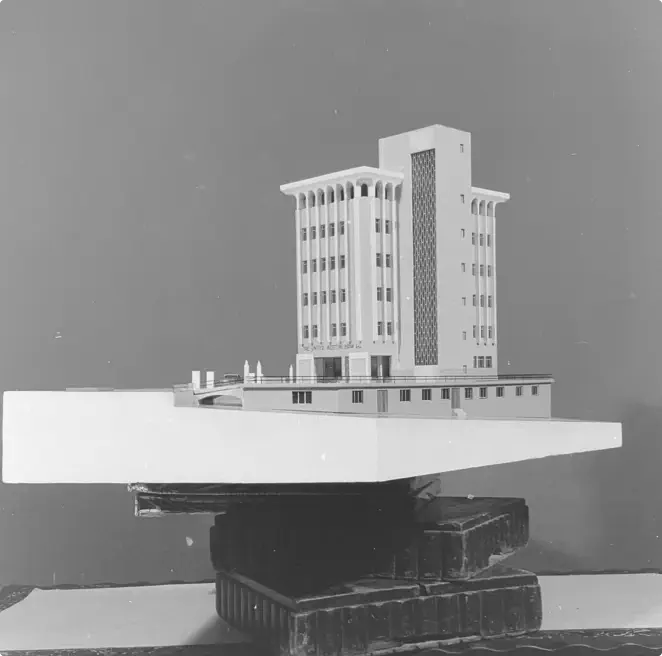
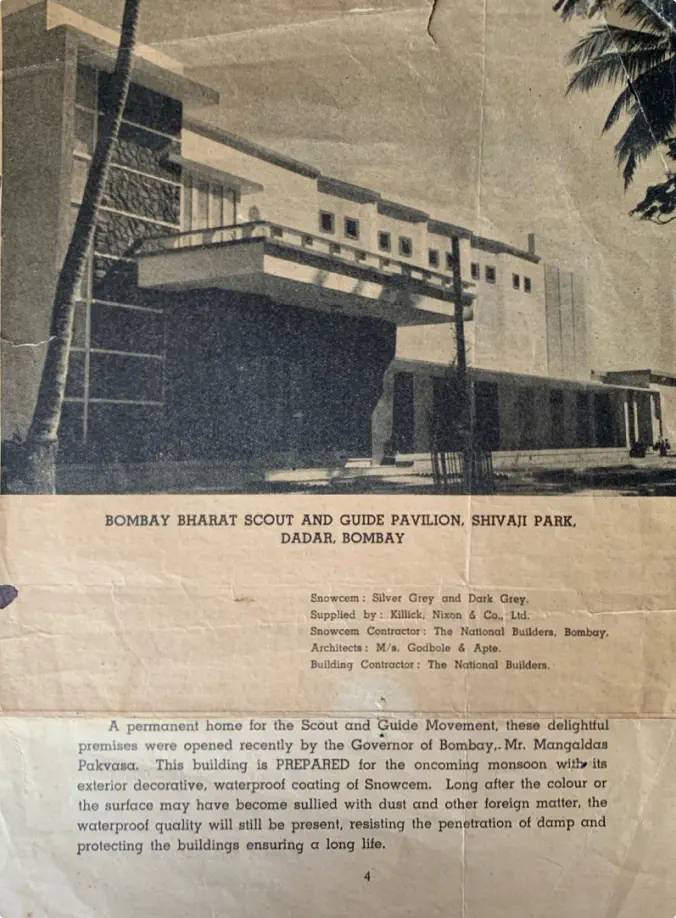
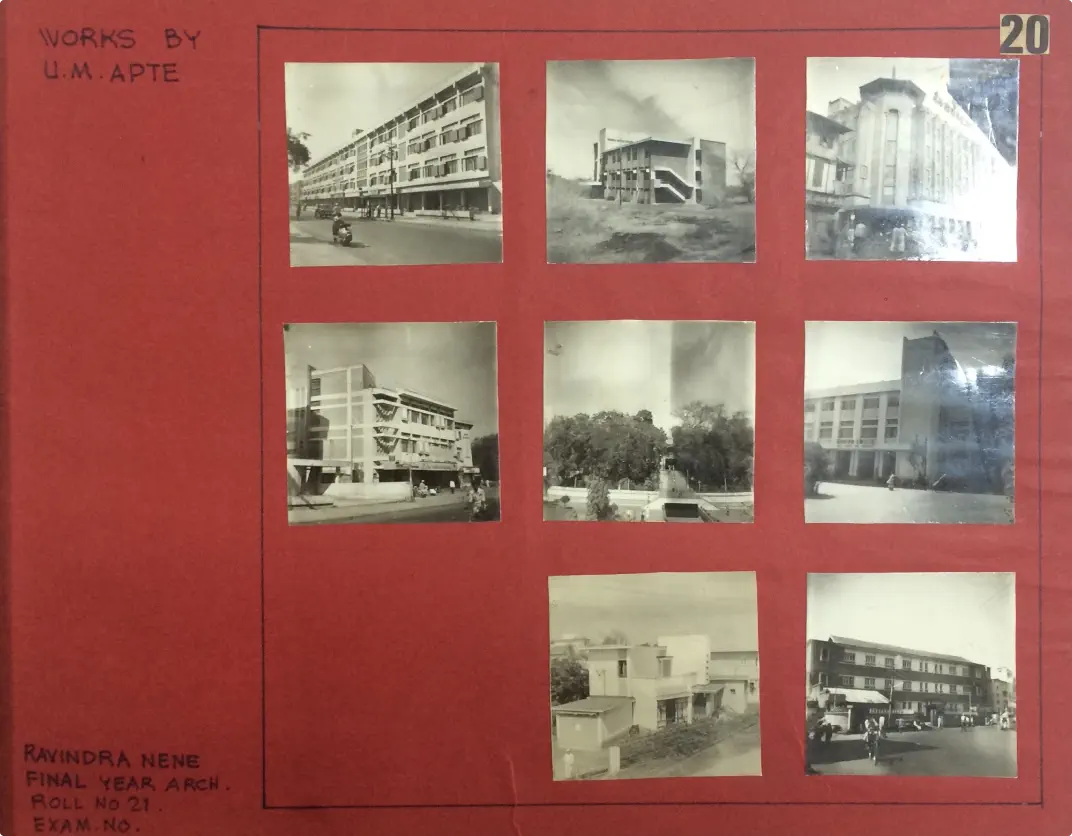
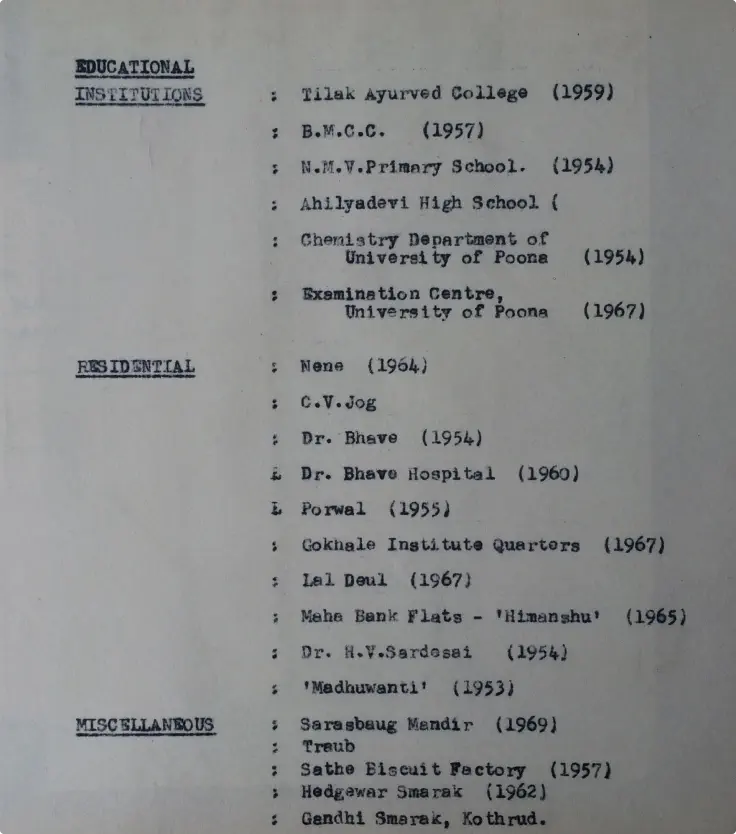
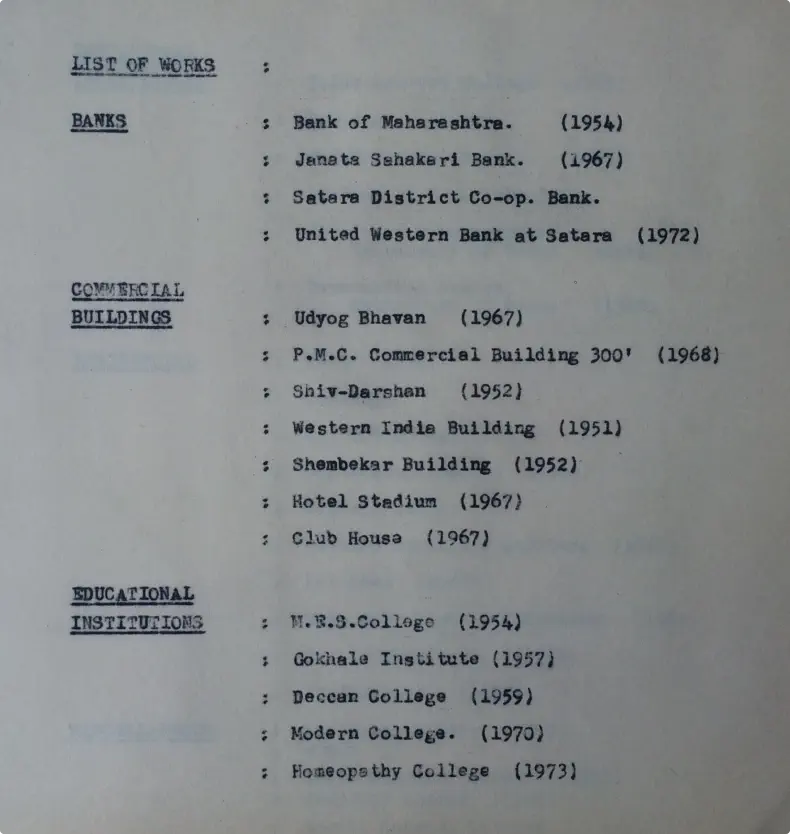
Born in Pune in the year 1910, he designed several of the city’s reputed institutions such as the Brihan Maharashtra College of Commerce (BMCC), the Bank of Maharashtra building on Bajirao road and the Western India building on Laxmi road to name a few.
While U.M. Apte’s life is fascinating by itself, understanding his family background gives us a more complete picture of what nurtured his creativity. His father, Mahadeo Vinayak Apte and grandfather, Vinayak Ballal Apte were torchbearers in their respective fields. In fact, like his father and grandfather before him, U.M. Apte left an indelible imprint on society. It all starts with Vinayak Ballal Apte.
Born in Pune in the year 1910, he designed several of the city’s reputed institutions such as the Brihan Maharashtra College of Commerce (BMCC), the Bank of Maharashtra building on Bajirao road and the Western India building on Laxmi road to name a few.
While U.M. Apte’s life is fascinating by itself, understanding his family background gives us a more complete picture of what nurtured his creativity. His father, Mahadeo Vinayak Apte and grandfather, Vinayak Ballal Apte were torchbearers in their respective fields. In fact, like his father and grandfather before him, U.M. Apte left an indelible imprint on society. It all starts with Vinayak Ballal Apte.
U.M. Apte
Pushing Creative Boundaries Runs in the Family
Influential architects like U.M. Apte do not arise out of the blue. This story unravels how, from a young
age,
U.M. Apte’s creativity was nurtured by a family that pushed intellectual and creative boundaries. In an era
when Pune was reclaiming its role as a cultural and educational centre, Vinayak Ballal Apte, Mahadeo Vinayak
Apte and Uddhav Mahadeo Apte were remarkable professionals who have taken unconventional routes to
contribute to
society.
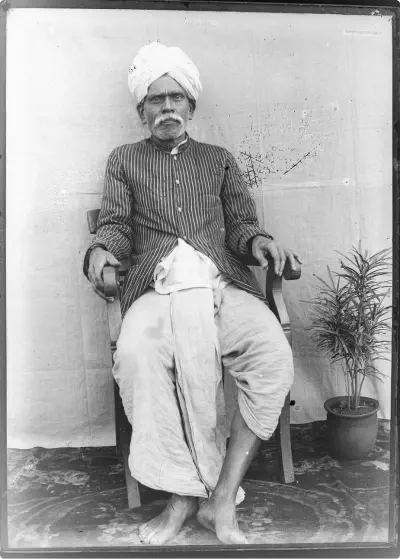
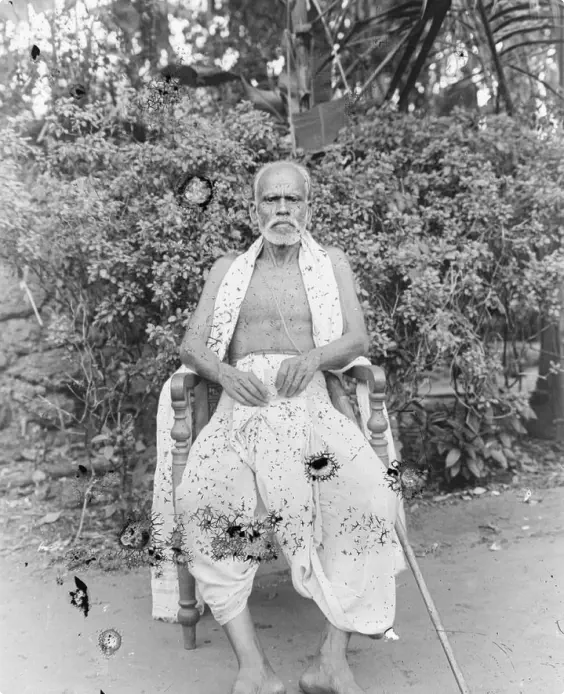
A photographic portrait of Vinayak Ballal Apte probably taken by his son, M.V. Apte
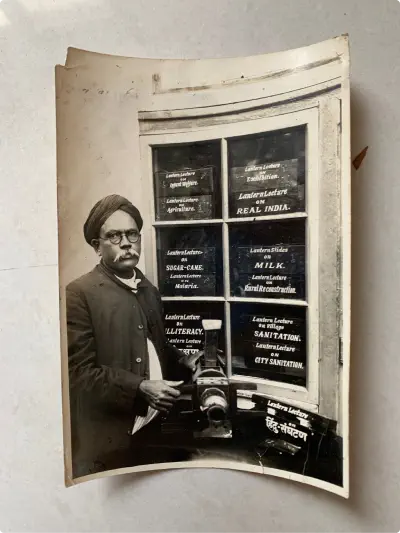
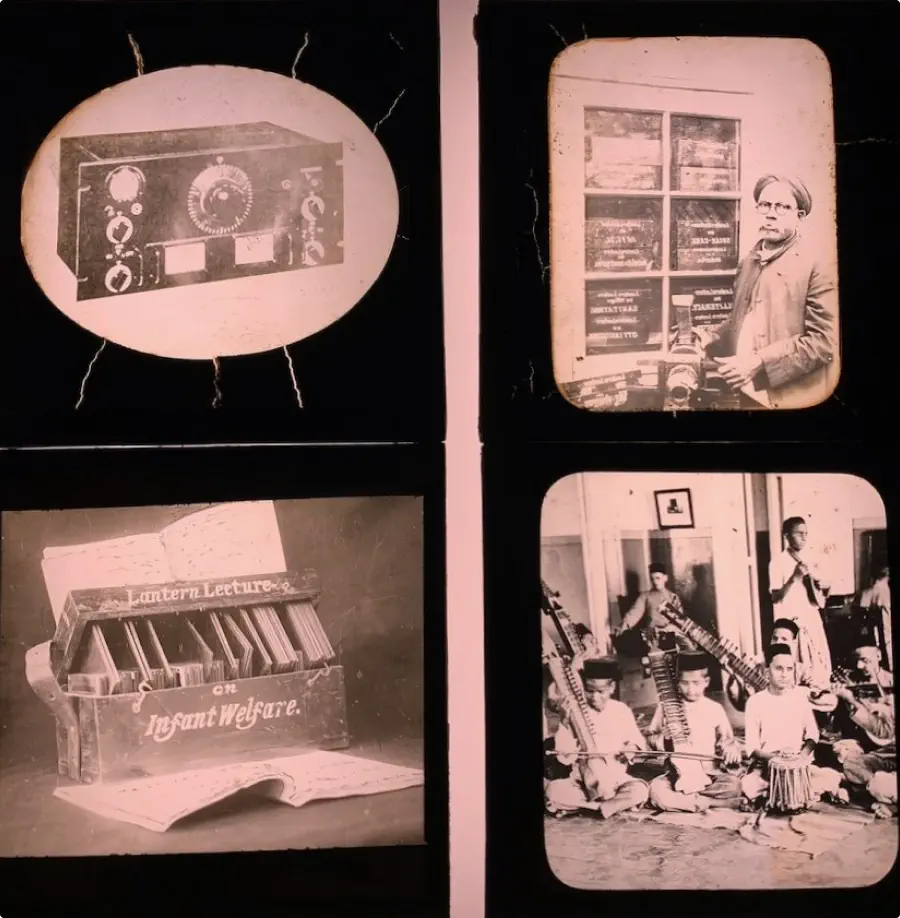
M.V. Apte with his Magic Lantern and boxes of Slides
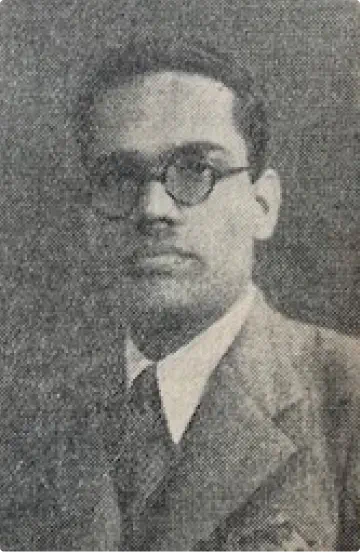
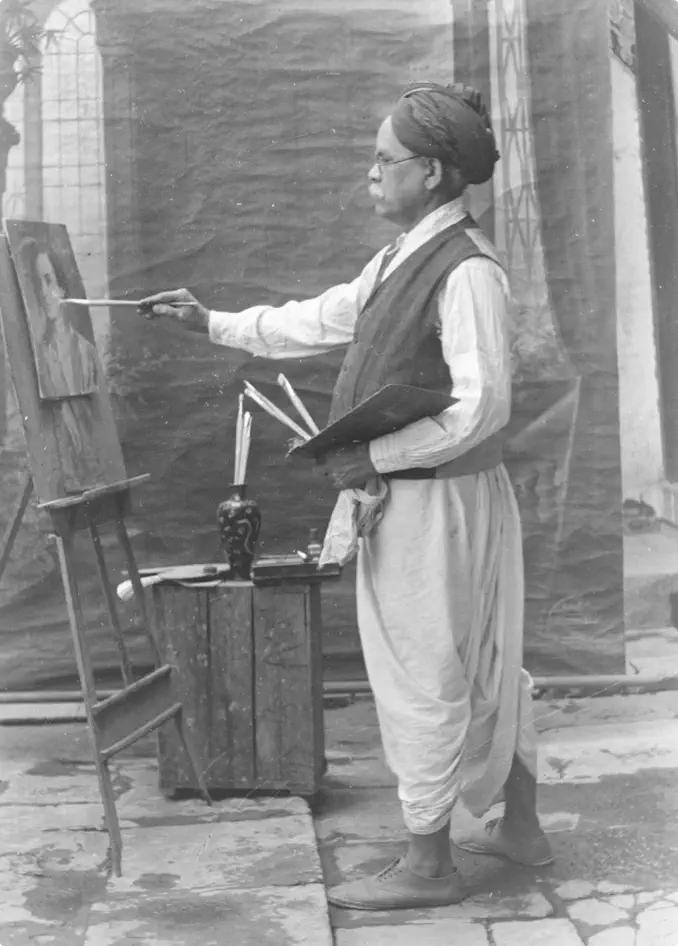
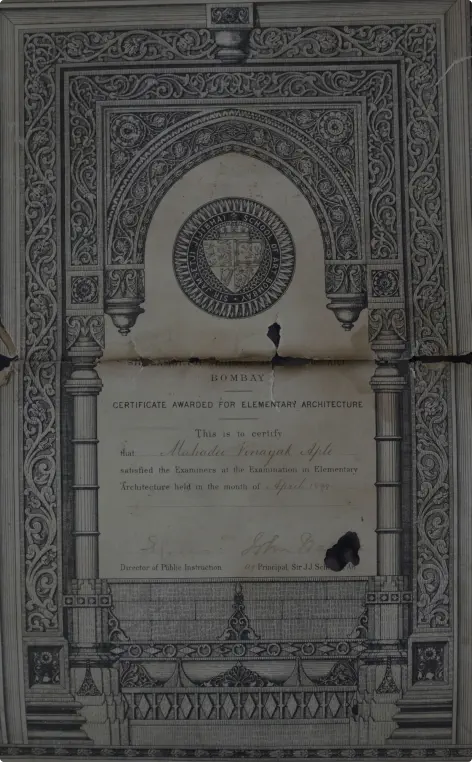
Uddhav Mahadeo Apte during his student days
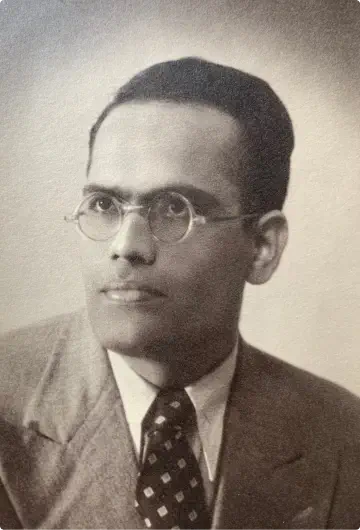
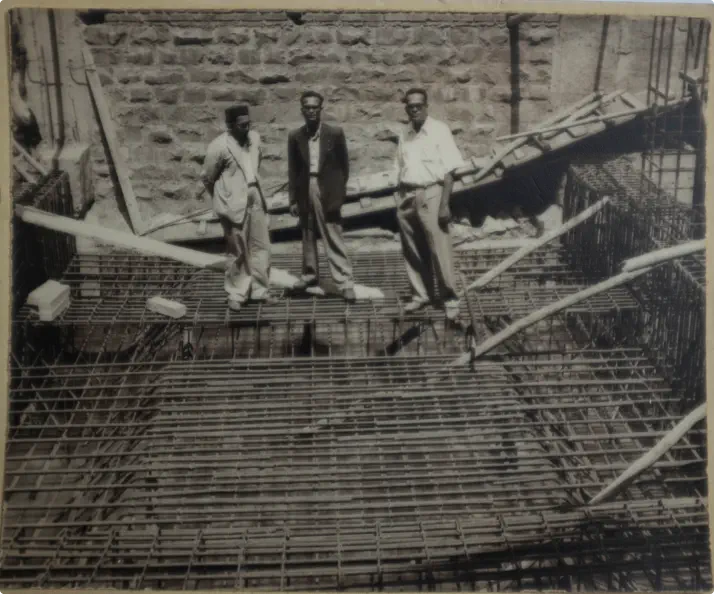
U.M. Apte during his early practice
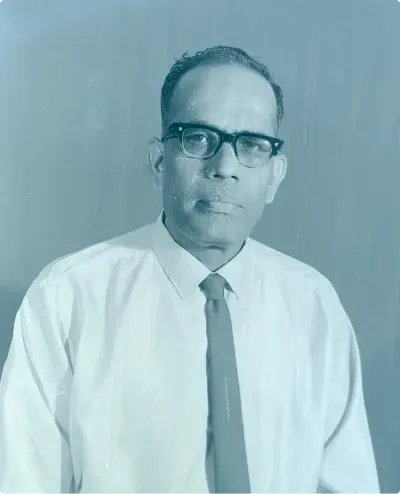
U.M. Apte during his later practice, U.M. Apte & Sons
Uddhav Mahadeo Apte (1910–1977)
Uddhav Mahadeo Apte, better known as U. M. Apte, was a prominent Pune architect with many landmark buildings
to
his credit. He was active from the mid-30s to the 1970s, right when the modern architectural movement swept
India.
Born in Pune in the year 1910, he designed several of the city’s reputed institutions such as the Brihan Maharashtra College of Commerce (BMCC), the Bank of Maharashtra building on Bajirao road and the Western India building on Laxmi road to name a few.
While U.M. Apte’s life is fascinating by itself, understanding his family background gives us a more complete picture of what nurtured his creativity. His father, Mahadeo Vinayak Apte and grandfather, Vinayak Ballal Apte were torchbearers in their respective fields. In fact, like his father and grandfather before him, U.M. Apte left an indelible imprint on society. It all starts with Vinayak Ballal Apte.
Born in Pune in the year 1910, he designed several of the city’s reputed institutions such as the Brihan Maharashtra College of Commerce (BMCC), the Bank of Maharashtra building on Bajirao road and the Western India building on Laxmi road to name a few.
While U.M. Apte’s life is fascinating by itself, understanding his family background gives us a more complete picture of what nurtured his creativity. His father, Mahadeo Vinayak Apte and grandfather, Vinayak Ballal Apte were torchbearers in their respective fields. In fact, like his father and grandfather before him, U.M. Apte left an indelible imprint on society. It all starts with Vinayak Ballal Apte.